Children We Often Support
You might be here because your child:
- Has difficulty with feeding, chewing, or transitioning to new foods
- Eats a very limited variety of foods or feels overwhelmed by textures
- Has big reactions to sensory experiences or struggles with regulation
- Finds handwriting, scissors, or other fine motor tasks challenging
- Has difficulty focusing, organizing tasks, or completing routines
- Seems frustrated with everyday activities like dressing, feeding, or school tasks
- Needs extra support building developmental skills or confidence
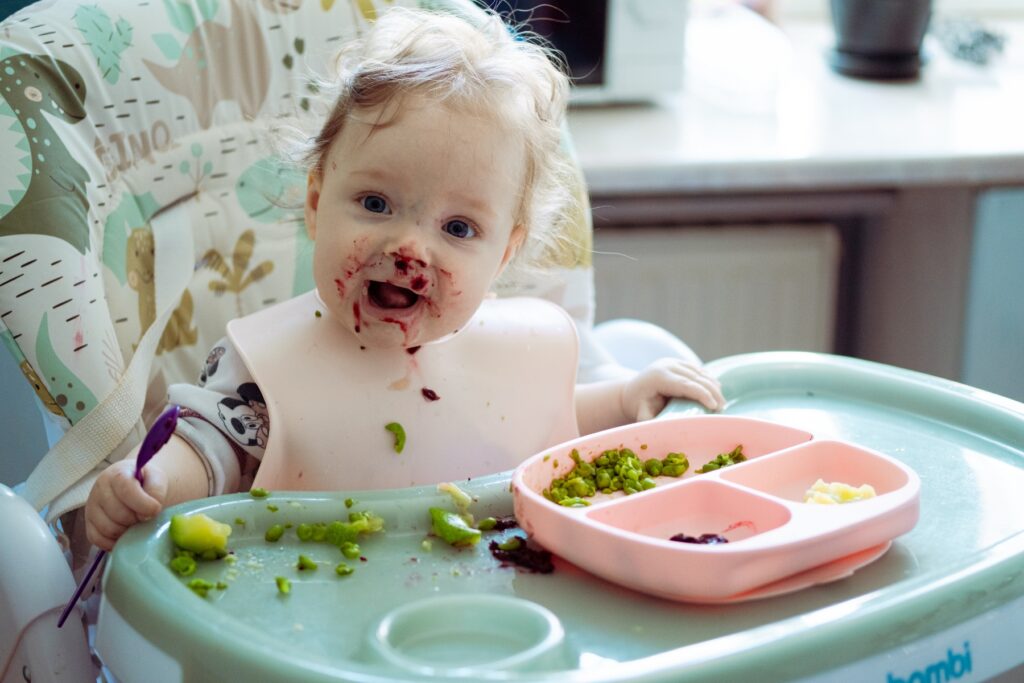
Feeding Therapy
We support infants, children, and young adults experiencing feeding challenges such as difficulty bottle feeding, transitioning to solids, limited food variety, oral motor challenges, and mealtime stress.
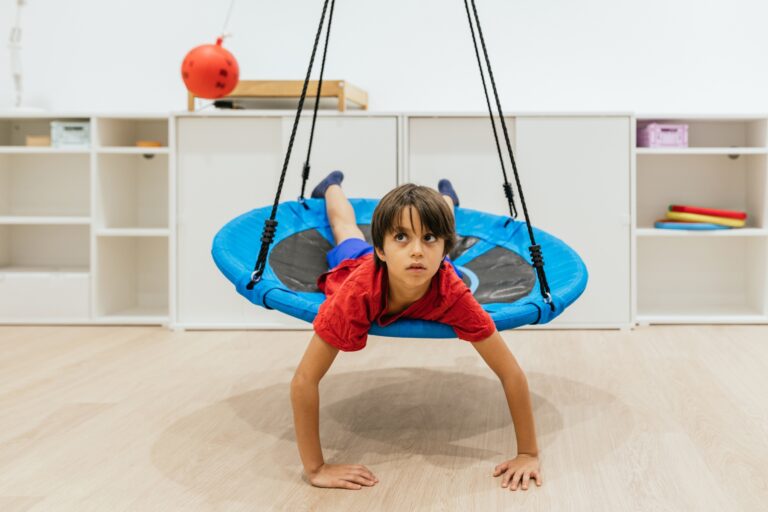
Sensory Processing & Regulation
Some children experience the world more intensely through their senses. Occupational therapy can help children better understand and regulate their sensory experiences so they can participate more comfortably in daily activities.
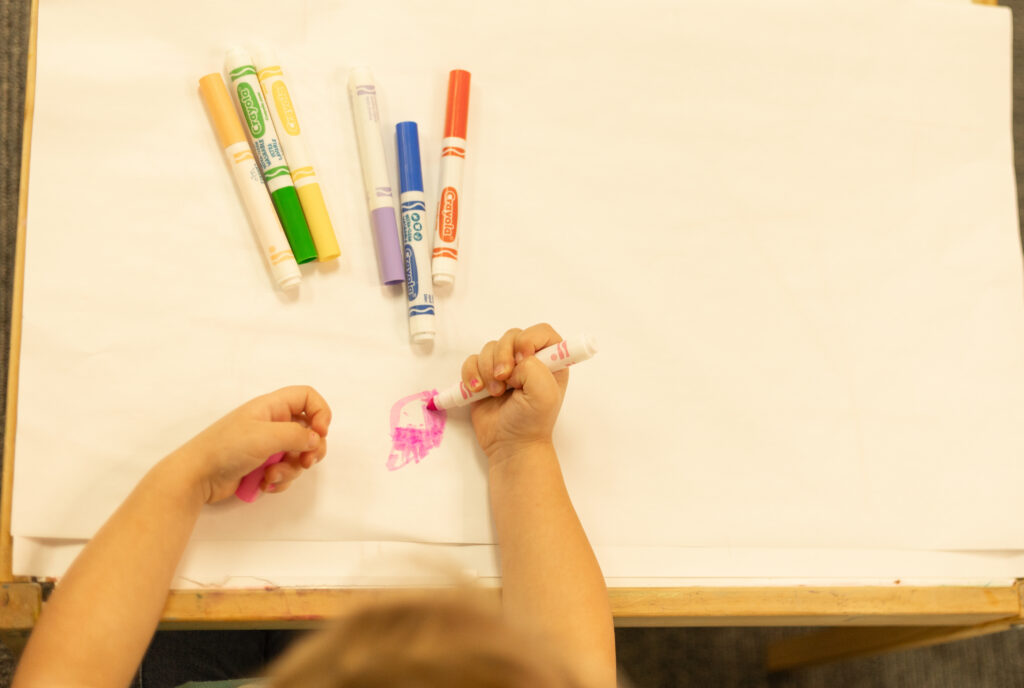
Fine Motor & Handwriting Skills
Fine motor development supports a child’s ability to use their hands for everyday like writing, dressing, and manipulating small objects.
Attention & Executive Function
Occupational therapy can help children develop the skills needed to focus, organize tasks, and manage daily routines.
Developmental & Motor Skills
Some children benefit from additional support as they build the foundational skills needed for play, movement, and participation in daily activities.
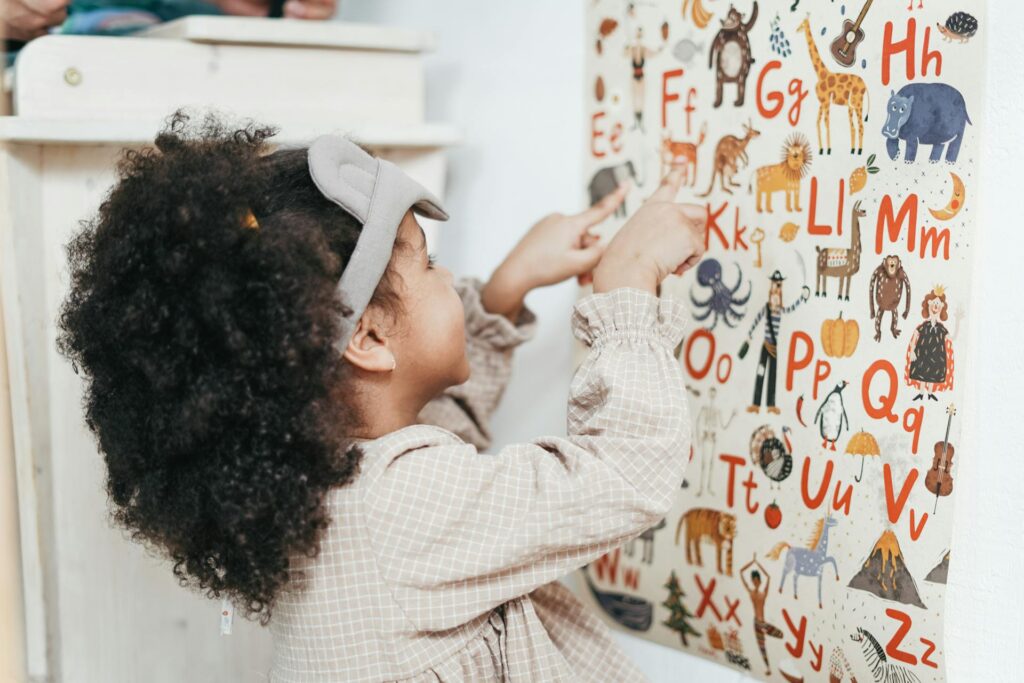
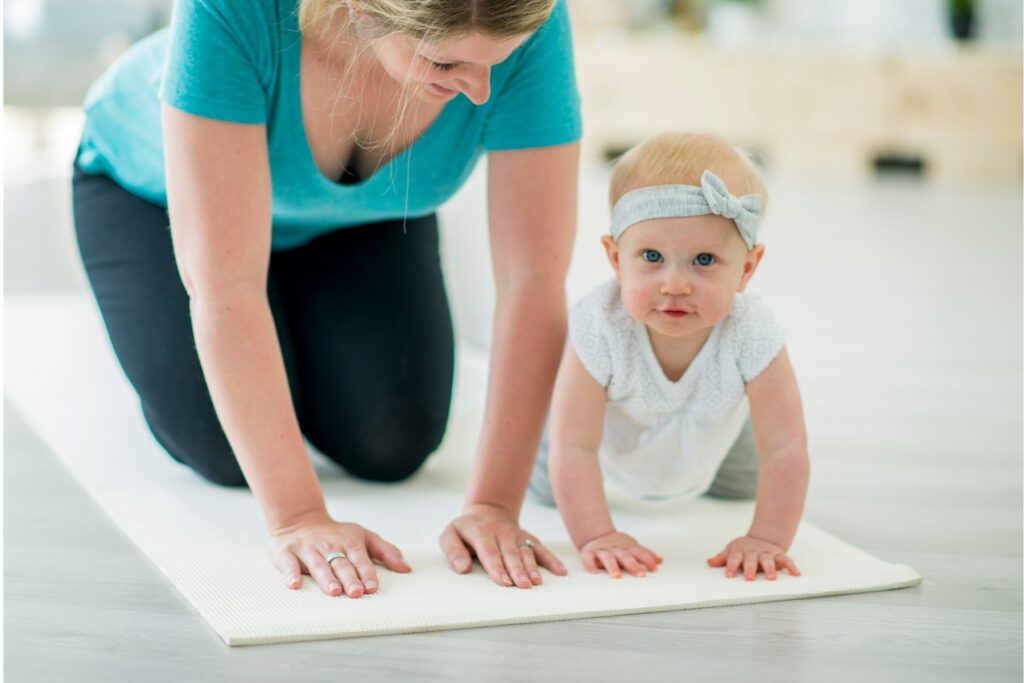
Infant Development
Early support can help infants build the sensory and motor foundations that support feeding, movement, and interaction with their environment.
If you’re unsure which type of support may be most helpful for your child, we welcome the opportunity to talk through your concerns.