Nourish Pediatric Therapy

Feeding Therapy

Eating is one of the earliest and most important ways children connect with their bodies, their families, and the world around them. When feeding challenges arise, it can affect not only nutrition but also daily routines, stress levels, and family mealtimes.

At Nourish Pediatric Therapy, we support babies, children, and teenagers who experience feeding challenges. Our approach focuses on building skills, comfort, and confidence with eating while supporting a positive relationship with food.

Feeding therapy may address oral motor development, sensory processing, coordination, and the overall feeding experience for both the child and their family.

Signs a Child May Benefit from Feeding Therapy

Feeding challenges can appear at many stages of development. We support infants through teenagers with concerns such as:

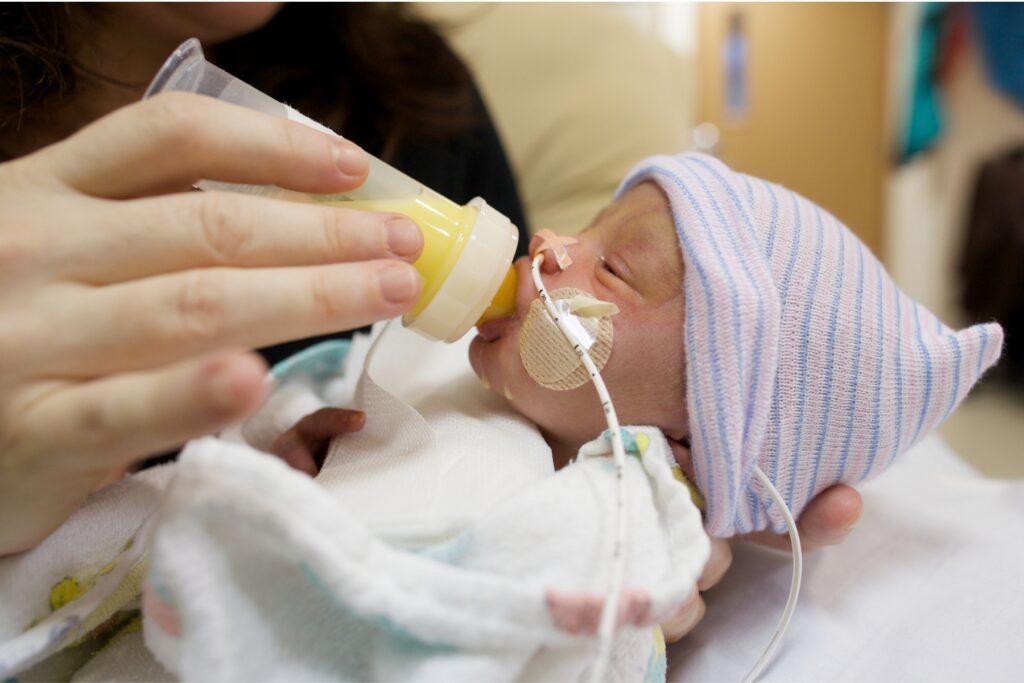
Infants

• Difficulty with bottle feeding
• Coughing, gagging, or discomfort while feeding
• Trouble coordinating sucking, swallowing, and breathing
• Difficulty transitioning from bottle to solids

Toddlers & Children

• Limited food variety or “picky eating”
• Strong reactions to food textures, smells, or temperatures
• Difficulty chewing or managing certain foods
• Gagging or frequent coughing during meals
• Mealtimes that feel stressful or very prolonged

Safety Concerns with Eating

• Frequent coughing or choking with food or drink
• Watery eyes, breathing changes, or discomfort during meals
• Concerns that food or liquid may be “going down the wrong way”

Self-Feeding Skills

• Difficulty learning to use fingers, spoons, forks, or cups
• Challenges transitioning from parent-led feeding to more independent eating
• Frustration or avoidance when practicing self-feeding skills
• Adaptive equipment recommendations needed to progress

Complex Feeding Needs

• Children with medical or developmental conditions affecting feeding
• Oral motor or sensory challenges impacting eating
• Feeding needs that require coordination with a child’s medical or therapy team

Who We Support

Nourish Pediatric Therapy provides feeding support across a wide age range, including:

  • Infants learning early feeding skills
  • Toddlers navigating solids and food exploration
  • Children developing chewing, variety, and mealtime participation
  • Adolescents and teenagers continuing to build feeding skills and independence
 

Every child’s feeding journey looks different, and therapy is tailored to meet each child’s developmental stage and individual needs.

What Feeding Therapy Looks Like at Nourish

Feeding therapy focuses on helping children feel safe, comfortable, and curious about eating while building the skills needed for successful mealtimes.

Sessions may include:

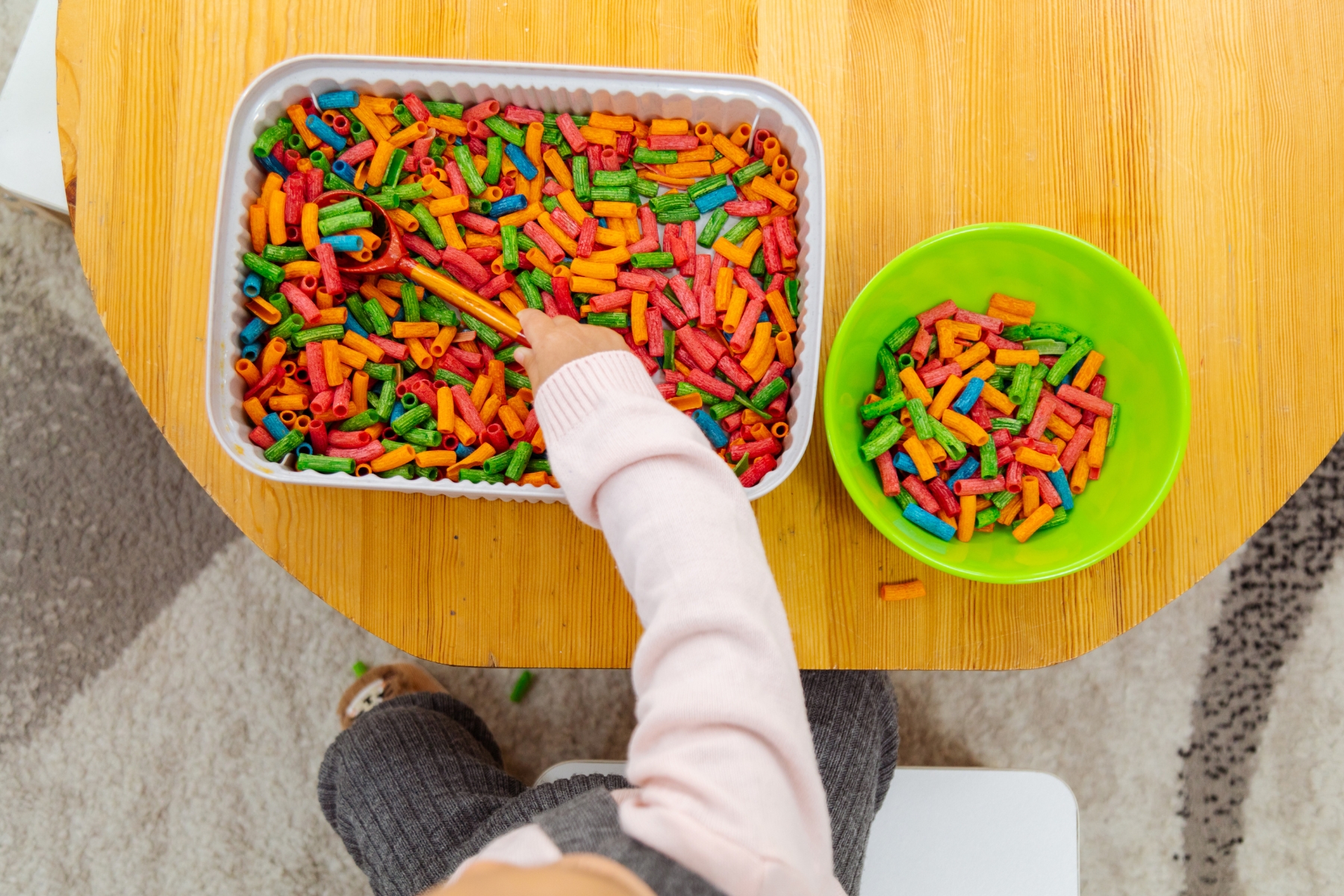
  • Play-based exploration of foods and textures
  • Oral motor skill development for chewing and drinking
  • Sensory support for children sensitive to food experiences
  • Strategies to expand food variety gradually
  • Development of self-feeding and utensil skills
  • Parent coaching to support mealtime success at home


Our work is collaborative and responsive, recognizing that families bring valuable insight into their child’s feeding patterns, preferences, and routines.

Training & Specialized Approaches

Our feeding therapy approach is informed by specialized training and evidence-based frameworks including:

  • SOS Approach to Feeding
  • CAN EAT Feeding Therapy Framework
  • Ellyn Satter Institute – Division of Responsibility in Feeding
  • Get Permission Institute by Marsha Dunn Klein OTR/L, M.Ed. FAOTA
  • Beckman Oral Motor Approach
 

These approaches support trust-based, responsive feeding therapy that respects a child’s developmental readiness, sensory needs, and relationship with food.

When to Reach Out

If mealtimes feel stressful, feeding development seems stalled, or you have concerns about your child’s safety while eating, support may help bring clarity and progress.

You do not have to navigate feeding challenges alone or wait until feeding feels like a major problem to ask questions or seek support.

Schedule a consultation to talk through your child’s needs and explore whether feeding therapy may be helpful.